Mentioning a gold toilet usually gets a laugh at first. It feels exaggerated, the kind of detail you’d expect in a satire. But for a surprising number of wealthy Americans, the appeal is real. The object sits at a curious intersection—part showmanship, part mockery, part power play. In a country where wealth heavily influences trends, the golden toilet has turned into a flashy emblem that provokes strong opinions.
This fascination did not appear out of thin air. The attraction to gold runs deep in human history. People have prized this metal for thousands of years. It does not rust, it never fades, and it has always suggested strength and privilege. So when the rich place gold in the most routine part of daily life, the message lands hard.
A Timeless Quest for Power and Status
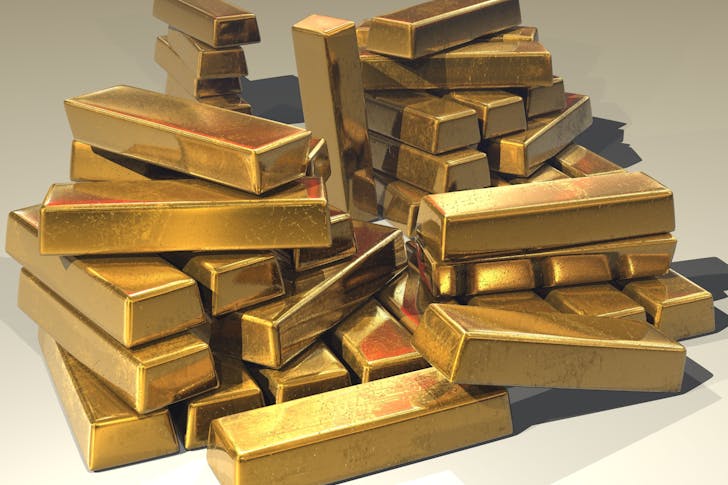
Pixabay / Pexels / Gold has always been linked to status. Civilizations across the globe relied on it to show rank and legacy.
From the ancient Bulgarians and their stunning burial treasures to the Mapungubwe Kingdom and the Inca empire, gold marked leaders and sacred spaces. Its shine signaled divine favor and lasting authority. That long history still sits in the modern mind.
When someone installs a golden toilet today, the old meanings return, even if the setting is a bathroom instead of a throne room.
Putting gold in a private space creates a strange twist. A bathroom is simple and practical. It is not meant for grand display. Turning that into a glittering showcase flips the idea of luxury inside out. It turns a plain task into a performance. It also tells visitors that the owner’s wealth stretches far beyond what most people see as necessary.
From Museum Lines to Million Dollar Headlines
Art pushed this fascination into global attention with Maurizio Cattelan’s piece titled “America.” This was not just another fancy bathroom item. It was a real, working 18-karat gold toilet set inside the Guggenheim Museum in 2016. More than one hundred thousand visitors used it during the exhibition.
The long lines, the surprised reactions, and the constant buzz all showed how powerful a gold toilet could be as a social mirror.
Cattelan’s work highlighted the sharp gap between comfort and struggle in the United States. The toilet became a statement about wealth and inequality. It also came with drama. A version placed in Blenheim Palace in the United Kingdom was stolen in 2019. Experts believe it may have been melted down. That bizarre heist pushed the toilet deeper into legend.
Freepik / In politics, a gold toilet often works like a symbol wrapped in sarcasm. People use it to mock leadership that seems greedy or disconnected. In some cases, the link is not just symbolic.
The Guggenheim even offered the piece to the Trump White House after the administration requested a Van Gogh painting. The offer was ignored, but it made headlines around the world.
Earlier in 2025, a second version of “America” sold at Sotheby’s for more than twelve million dollars. That sale kept the toilet in the spotlight and reminded everyone that this shiny object sits at the strange blend of art, wealth, and humor.
It is rare to find a bathroom fixture that causes arguments, think pieces, and museum lines. This one does all three!
Russian memes have used gold toilets to point at corruption. A Ukrainian official once faced a scandal when photos showed he owned one. That single image spread fast, pushing the fixture into public debates about waste and misuse of money. Even rumors around famous names like Donald Trump or Saddam Hussein add to the myth, though reports say their homes used gold-colored details, not solid gold seats.
Celebrity culture also plays a huge part in keeping the golden toilet trend alive. Stars know the power of an outrageous detail. Birdman showcased his “million-dollar gold toilet” online, using it as an instant status symbol.